From Saigon to the Strip: How Vietnamese-American Gamblers Are Quietly Rewriting Casino Culture in the US
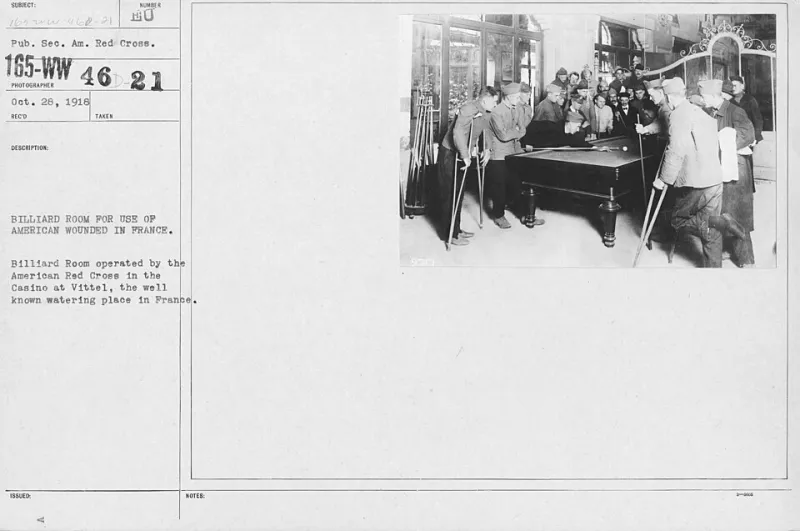
Photo: Unknown authorUnknown author or not provided, Public domain, via Wikimedia Commons
Walk through the baccarat pits at the Commerce Casino outside Los Angeles on a Friday night, and the atmosphere hits you differently than it does in, say, a downtown Vegas sports bar. The energy is focused. The stakes are real. And a significant share of the players at those tables trace their roots back to Vietnam.
This isn't an accident, and it's not a new trend — but it is accelerating. Vietnamese-Americans represent one of the most economically active and culturally cohesive betting communities in the United States, and the casinos that have figured this out are quietly reaping the rewards.
A Community With Deep Roots in the Game
Vietnam has a long, complicated relationship with gambling. Card games like tứ sắc and bài cào have been fixtures of family gatherings for generations, and Southeast Asia more broadly is home to some of the world's most dynamic gaming hubs — Macau, Manila, and Singapore's Marina Bay Sands, to name a few. When Vietnamese families emigrated to the US in waves following 1975 and again through the 1980s and 90s, those cultural attitudes toward games of chance came with them.
For many in the community, gambling isn't just recreation. It's social ritual. It's how you spend Tết weekend. It's how business relationships get tested and friendships get deepened. That cultural context matters enormously when you're trying to understand why Vietnamese-Americans punch above their demographic weight in casino visitation statistics.
Gaming analysts have taken notice. According to industry research firm CDC Gaming Reports, Asian-American players — a category in which Vietnamese-Americans are a major segment — account for a disproportionately high share of table game revenue at properties in California, Nevada, and Texas. One analyst who spoke with us (and asked to remain unnamed due to client confidentiality) put it bluntly: "If you're running a card room in Orange County and you're not actively marketing to the Vietnamese community, you're leaving serious money on the table."
The High Roller Factor
When people talk about Asian high rollers in US casinos, the conversation often defaults to international visitors from mainland China or Hong Kong. But the Vietnamese-American high roller is a distinct and growing demographic — one that comes with different preferences, longer-term loyalty, and deeper roots in the local economy.
Many of the most prominent Vietnamese-American gamblers are second-generation professionals: doctors, real estate developers, restaurateurs, and tech workers who grew up watching their parents play cards and now have disposable income to back up their enthusiasm. They're not flying in from Macau for a weekend — they're local, they're loyal, and they remember when a casino bothered to put up signage in Vietnamese or host a Lunar New Year event.
That loyalty cuts both ways. Community members we spoke with in Little Saigon (Westminster, CA) described a strong word-of-mouth culture around gaming venues. "If a casino treats us well, the whole community knows," said one regular at a local card room who asked to be identified only as Minh. "And if they don't? That gets around even faster."
How Preferences Are Shifting the Floor
The influence of Vietnamese-American players is showing up in tangible ways on gaming floors across the country.
Baccarat dominance. Baccarat has long been popular among Asian-American players broadly, and Vietnamese-Americans are no exception. Several California card rooms have expanded their baccarat offerings significantly over the past decade, driven largely by demand from this community. The game's low house edge and fast pace align well with a community that takes the math of gambling seriously.
Side bet culture. Vietnamese-American players tend to be enthusiastic about side bets and bonus wagers — a preference that has encouraged some properties to introduce side bet options on traditional table games that weren't previously available.
Cultural programming. Casinos in Southern California and San Jose have increasingly invested in Lunar New Year promotions, Vietnamese-language marketing materials, and partnerships with community organizations. It's not just optics — these initiatives drive measurable foot traffic.
Online and mobile crossover. Younger Vietnamese-Americans are increasingly comfortable moving between physical casinos and online platforms. Platforms like OnBet88 VN, which cater to the Southeast Asian gaming sensibility with familiar game formats and culturally resonant presentation, have built real followings among diaspora communities who want that connection to their heritage alongside modern convenience.
The Family Business Connection
One underreported dimension of this story is how family ties to Southeast Asian gaming hubs create a kind of cultural pipeline. Vietnamese-American families with relatives in Vietnam, Cambodia, or the Philippines often have firsthand exposure to the gaming cultures of those countries — and they bring that knowledge back with them.
This includes familiarity with game variants that are common in Southeast Asia but rare in US casinos, as well as a comfort level with online and mobile betting platforms that operate under different regulatory frameworks. It also means that when a new gaming format or technology gains traction in Southeast Asia, Vietnamese-American communities in the US often hear about it through family channels before it reaches mainstream US gaming media.
For casinos and platform operators paying attention, this community functions almost like an early warning system for what's coming next in global gaming culture.
What Comes Next
Demographic trends suggest this community's influence will only grow. Vietnamese-Americans are one of the fastest-growing Asian-American subgroups in the US, with strong concentrations in California, Texas, Washington, and Virginia — states where gaming is either already established or actively expanding.
The casinos and platforms that win long-term will be the ones that treat this community as a partner rather than a target. That means genuine cultural investment, not just token gestures. It means hiring Vietnamese-speaking staff, building authentic community relationships, and offering game formats that resonate rather than just translating existing marketing copy into Vietnamese.
The Vietnamese-American high roller didn't come out of nowhere. They've been here all along — and the smart money is finally starting to pay attention.